Quick Summary
- Red Rock Canyon sits 17 miles west of the Las Vegas Strip — 25 to 35 minutes by car.
- The 13-mile Scenic Drive is the easiest intro; timed-entry reservations are required (book at recreation.gov).
- Best hikes: Calico Hills Loop (easy), Calico Tanks (moderate), Ice Box Canyon (moderate), Turtlehead Peak (hard).
- Go before 9 AM. Bring at least 2 liters of water per person. No flip-flops.
Red Rock Canyon Las Vegas: Why It Belongs on Your Itinerary
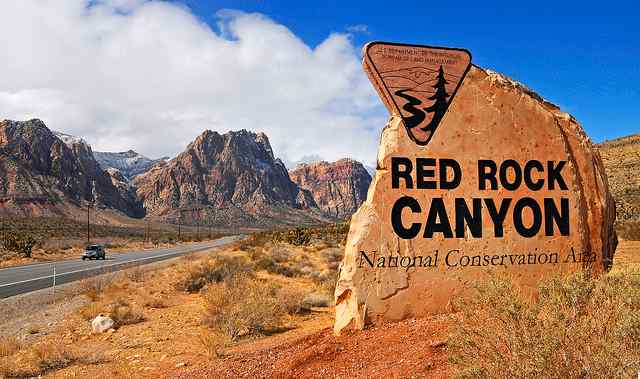
Red Rock Canyon is just 17 miles from the Las Vegas Strip, yet it feels like an entirely different world. Within 30 minutes of your hotel, you’re standing in front of 3,000-foot sandstone cliffs that have been here since the Jurassic period. That contrast — neon city to ancient desert — is the whole point.
Managed by the Bureau of Land Management, the Red Rock Canyon National Conservation Area covers 197,000 acres of the Mojave Desert. It’s home to ancient petroglyphs, wild burros, desert tortoises, bighorn sheep, and some of the finest rock climbing in the American West. Whether you want a two-hour scenic drive or a full-day hike, this place delivers.
No other Las Vegas day trip punches this hard for the time investment.
How to Get to Red Rock Canyon from Las Vegas
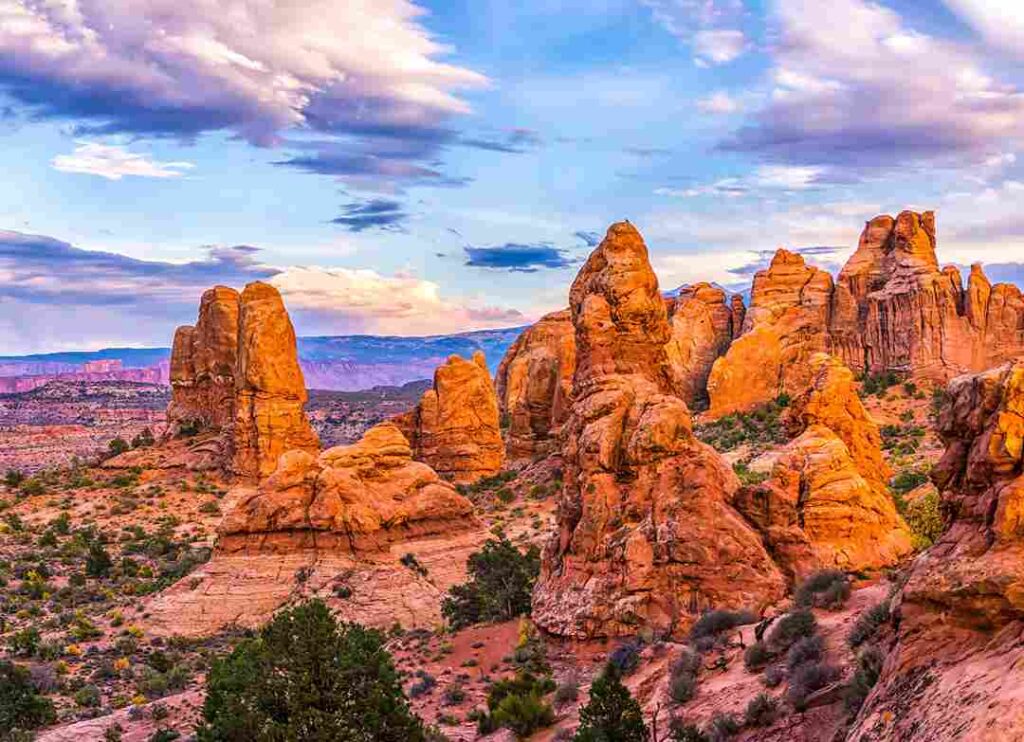
From the Strip, head west on West Charleston Boulevard (State Route 159). The city thins out, the desert opens up, and those red and cream sandstone formations rise up like a movie set — except completely real.
- Distance: ~17 miles from the center of the Strip
- Drive time: 25–35 minutes (traffic-dependent)
- GPS: Search “Red Rock Canyon Visitor Center, Nevada”
A rental car is your best option. Uber and Lyft work too, though rideshare costs add up if you’re spending a full day. There’s no direct public bus route to the canyon. Cyclists can use the dedicated bike lane along SR-159 — it’s a genuinely scenic ride if you’re up for it.
Timed-Entry Reservations: Book Before You Leave Your Hotel
This is the mistake that ruins trips. From roughly October through May, timed-entry vehicle reservations are required to access the Scenic Drive. Show up without one and the ranger will turn you away — no appeals, no exceptions.
Book your slot at recreation.gov as early as possible. Weekends fill up days or weeks in advance. The current vehicle fee is $15 (verify at the official site — rates can change). Annual America the Beautiful passes are accepted and cover entry.
Summer months (June–September) are less restricted, but it’s always worth checking the BLM site before you go. The visitor center itself is open without a reservation.
The 13-Mile Scenic Drive: Red Rock Canyon’s Best First Impression
If your schedule only allows a couple of hours, the 13-mile one-way Scenic Drive is your best move. The road loops through the conservation area with 13 marked pullouts — each one worth at least a brief stop.
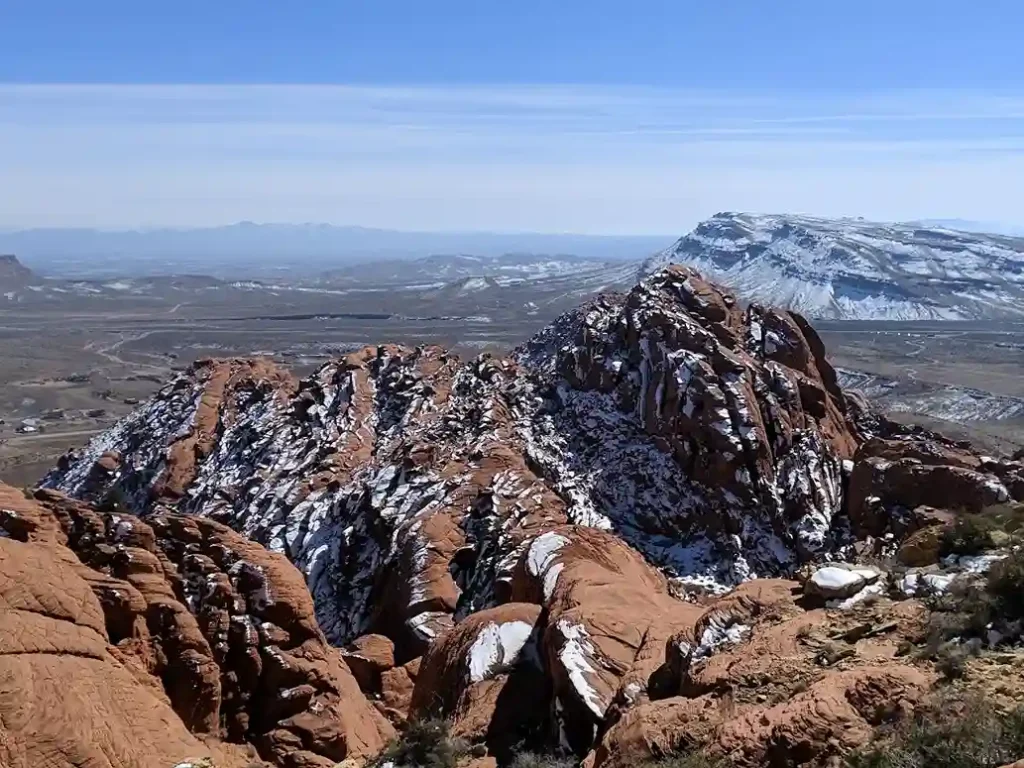
Standout stops along the drive:
- Calico Hills Overlook — Morning light turns these cream-and-rust formations into something almost surreal. Don’t blow past it.
- Red Rock Overlook — The wide, panoramic money shot. Classic for a reason.
- Pine Creek Canyon Overlook — Deep canyon walls that make you feel genuinely small.
- Willow Springs Picnic Area — Shaded tables, open space, and a short walk to authentic Native American petroglyphs.
Budget 1.5 to 2 hours if you stop at every pullout. Traffic moves counterclockwise (the only permitted direction), so there’s no backtracking.
Best Hikes at Red Rock Canyon for Every Fitness Level
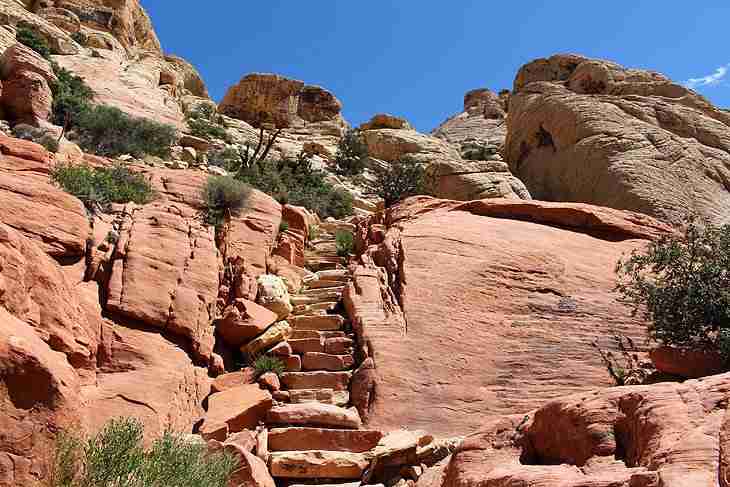
Red Rock Canyon’s trails are its strongest asset. The range goes from a flat 20-minute stroll to a 4,800-foot summit push. Here’s an honest, experience-based breakdown:
Easy Hikes — Great for Families and First-Timers
- Calico Hills Loop: 2.5 miles, minimal elevation gain The best starting point for anyone new to Red Rock Canyon. The trail winds through the iconic red and cream sandstone, with easy scrambles for those who want them. Views are excellent without requiring any technical skill. Park at the Sandstone Quarry trailhead.
- Lost Creek Children’s Discovery Trail: 0.7 miles A short, flat loop with educational signage and a seasonal waterfall (best in late winter through early spring). Purpose-built for younger kids — it genuinely holds their attention.
Moderate Hikes — For Active Travelers
- Calico Tanks Trail: 2.5 miles round trip One of the best hike-to-payoff ratios in Nevada. The route passes through a narrow sandstone canyon, involves a few boulder scrambles (nothing technical), and ends at a natural rock tank — a shallow pool carved by centuries of water. The view of Las Vegas from the top is genuinely impressive. Do this one.
- Ice Box Canyon Trail: 2.4 miles round trip The narrow canyon walls trap cool air, making this a comfortable hike even when surrounding temperatures climb. A seasonal waterfall sits deep in the canyon. Light scrambling involved — wear proper shoes.
Challenging Hikes — For Serious Hikers
- Turtlehead Peak Trail: 4.8 miles round trip, ~2,000 ft elevation gain The summit sits at approximately 6,323 feet and offers sweeping panoramic views of the entire Las Vegas Valley. It’s a sustained climb with no shade. Start before 7 AM in any season warmer than winter. Bring significantly more water than you think you’ll need.
Best Time to Visit Red Rock Canyon Las Vegas
- Best months: October through April. The weather is mild, the light is rich, and the canyon is at its most photogenic. Spring wildflowers add color to the desert floor. Winter mornings can be crisp and clear — you may see snow dusting the upper peaks while the desert stays dry below.
- Summer (June–September): Temperatures regularly exceed 105°F. Hiking in that heat is legitimately dangerous. If summer is your only option, be on trail before 7 AM, stick to short routes, and get back to your car before 10 AM. Afternoon thunderstorms are common and can move in fast.
- Best time of day: Arrive at or before sunrise. The light on those red cliffs at golden hour is something else entirely — and you’ll beat the crowds by 90 minutes.
What to Bring to Red Rock Canyon
Desert terrain is unforgiving even on short hikes. Don’t cut corners on this list:
- Water: Minimum 2 liters per person. More in warm weather — aim for 1 liter per hour of hiking.
- Sunscreen: The sandstone reflects UV hard. You’ll burn faster than you expect.
- Sturdy shoes: Trail runners or hiking boots. No sandals, no exceptions.
- Snacks: Trail mix, energy bars, fresh fruit — anything high-calorie and portable.
- Hat and sunglasses: Non-negotiable in open desert.
- Fully charged phone: Cell service is spotty on several trails. Download offline maps on AllTrails before you leave.
- Entry fee: $15 per vehicle, or present your America the Beautiful pass.
The visitor center has restrooms, a small bookstore, and rangers who can match you with the right trail for your fitness level and the day’s conditions. Stop in — it’s worth five minutes.
Wildlife at Red Rock Canyon: What to Watch For
The canyon supports more wildlife than most visitors expect. Keep your eyes open:
- Wild burros — Common near the road in the morning. Charming but don’t feed them; it disrupts their diet and behavior.
- Desert tortoises — A federally protected species. If you spot one, give it a wide berth and never pick it up.
- Bighorn sheep — Spotted regularly on the rocky outcrops around Calico Hills.
- Roadrunners, red-tailed hawks, and ravens — The bird life here is consistently excellent.
- Mojave rattlesnakes — Present but rarely seen. Watch your step on rocky terrain and never reach into crevices blindly.
Red Rock Canyon with Kids: Yes, It’s Worth It
Red Rock Canyon works well for families — if you pick the right trails and manage expectations around heat.
The Calico Hills scramble-friendly terrain tends to delight kids who like to climb. The Lost Creek Trail is tailor-made for younger explorers. Willow Springs has shaded picnic tables, a walk to petroglyphs, and enough open space for kids to move freely.
Avoid any strenuous hikes in warm weather with young children. The desert heat hits kids harder and faster than adults. Pack more snacks than you think you need, reapply sunscreen religiously, and build in more water stops than feel necessary.
Where to Eat Near Red Rock Canyon Las Vegas
There’s no food inside the conservation area — plan ahead.
- Summerlin (about 15 minutes from the canyon): This upscale Las Vegas neighborhood has solid options. Brio Italian Grille at Downtown Summerlin is a reliable post-hike sit-down meal. In-N-Out Burger on Charleston Boulevard is the faster, equally satisfying option. After a few miles of desert hiking, a Double-Double earns its reputation.
- Pack your own: The smartest move, honestly. A cooler with sandwiches, cold fruit, and drinks ready in the car means you can picnic at Willow Springs and skip the drive back to civilization entirely.
Insider Tips for Red Rock Canyon Las Vegas
- Weekday mornings are a different experience. Weekend crowds between October and March can be significant. A Tuesday or Wednesday morning visit feels like you have the place to yourself.
- Spend 20 minutes in the visitor center. The geology and Native American history exhibits put real context behind what you’re seeing on the trails. Worth it.
- Download AllTrails offline before you leave. Cell service on several trails is unreliable. Screenshot your route or cache the map on Wi-Fi before you go.
- Combine it with Mt. Charleston. Spring Mountains is 20 minutes north on SR-157 — pine trees, cooler air, and an entirely different Nevada landscape. Pair the two for a full day out of the city.
Make Time for Red Rock Canyon Las Vegas
Las Vegas is one of the most artificial places on earth — and it’s spectacular for exactly that reason. Red Rock Canyon is its opposite: ancient, raw, and completely indifferent to your room rate.
Set the alarm 45 minutes earlier than you planned. Drive west on Charleston. Watch the sun catch those red cliffs and turn them the color of a lit matchstick. You’ll be back on the Strip by lunch, and you’ll spend the rest of your trip telling people about it.
Pro tip: Rent a car even if you don’t plan to drive on the Strip. The ability to hit Red Rock Canyon, Valley of Fire, and Hoover Dam on your own schedule is worth every dollar of the daily rate.
FAQ: Red Rock Canyon Las Vegas
Do I need a reservation for Red Rock Canyon?
Yes — from roughly October through May, timed-entry vehicle reservations are required for the Scenic Drive. Book through recreation.gov before your trip. Walk-in access to the visitor center doesn’t require one.
How long should I spend at Red Rock Canyon?
Two to three hours covers the Scenic Drive with a couple of stops. A half-day (four to five hours) adds one solid hike. For multiple trails, plan a full day.
Is Red Rock Canyon free?
No. The vehicle entry fee is currently $15. America the Beautiful annual passes are accepted — excellent value if you’re visiting multiple public lands.
Can I hike without a guide?
Yes. Most trails are well-marked and accessible to self-guided hikers. Download AllTrails for current maps and conditions. For technical climbing routes, a guide is the right call.
Is Red Rock Canyon safe for solo hikers?
Yes, on established trails during daylight hours. Tell someone your plan, bring enough water, stay on marked routes, and don’t hike alone in extreme heat. Popular trails are well-visited — you’re rarely isolated.
Keep Reading:
- 21 Best Places To Visit Near Las Vegas By Car In 1-2 Hour Drive
- Hoover Dam Tour Guide: Best Views, Tickets & Tips
- Bellagio Conservatory & Botanical Gardens: What to See
- High Roller Observation Wheel: Tickets, Best Times & View Guide
- Shark Reef Aquarium at Mandalay Bay Las Vegas: Tickets, Sharks & Tips
- Titanic: The Artifact Exhibition Las Vegas — Is It Worth It? (Honest Review)