Key Highlights:
- Valley of Fire sits ~50 miles northeast of Las Vegas — about a 55-minute drive via I-15 and Highway 169.
- Nevada’s oldest state park: 46,000 acres of ancient red sandstone, petroglyphs, and otherworldly formations.
- Best months: October through April. Summer heat regularly tops 110°F — genuinely dangerous, not just uncomfortable.
- Entry fee: $15 per vehicle (out-of-state). No day-use reservation required.
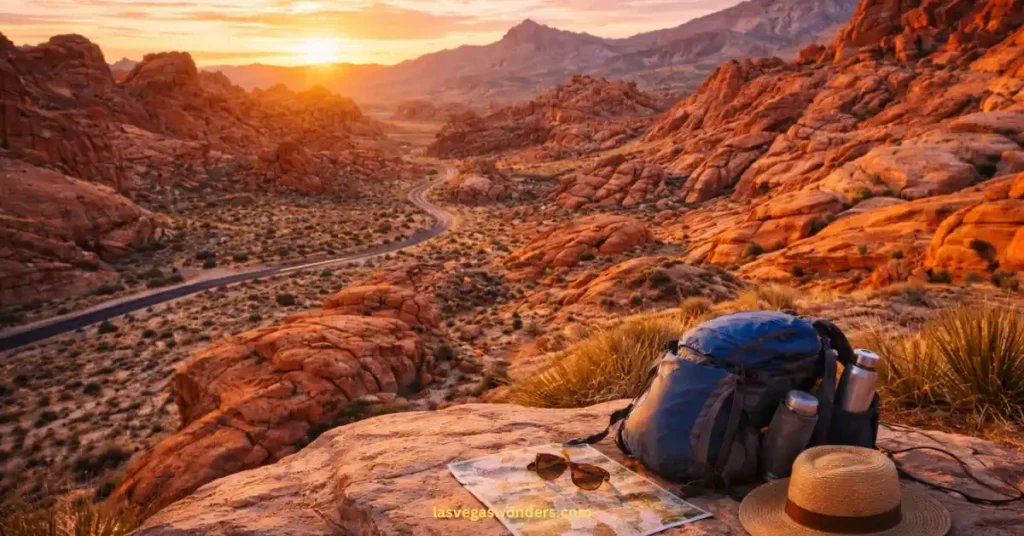
Valley of Fire is 50 miles from the Strip — and it looks nothing like anything you’ll see from a casino window. Massive sandstone formations glow crimson and orange at sunrise. Petroglyphs carved by the Ancestral Puebloans sit right at eye level. The whole landscape feels like it belongs on another planet, which is exactly why filmmakers keep coming back. Total Recall, Transformers, and The Book of Eli all shot scenes here.
Most Las Vegas visitors never make the drive. That’s their loss — and quietly, your gain.
How to Get to Valley of Fire from Las Vegas
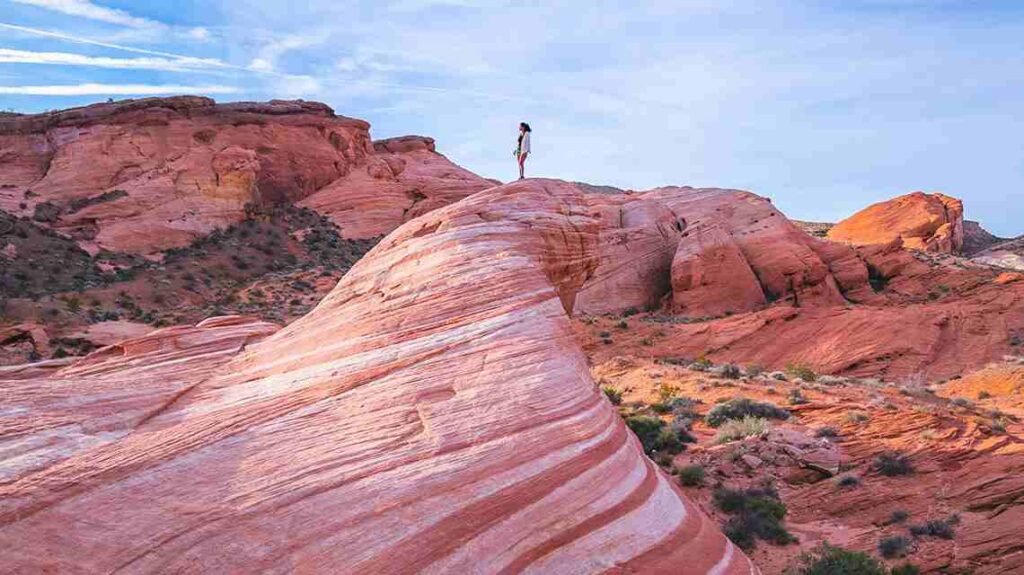
From the Strip, take I-15 north, then head east on Highway 169. The total distance is roughly 50 miles. Allow 55 to 65 minutes depending on where you’re starting.
You need a car — rental, personal, or private tour vehicle. No shuttle service runs to the park, and no tour buses drop you at the trailhead. That’s not a drawback. The stretch of highway along Lake Mead National Recreation Area before the park entrance is beautiful on its own, and driving yourself means you control the pace entirely.
One heads-up: cell service disappears inside the park. Download offline maps — AllTrails for trail navigation, Google Maps for the drive — before you leave your hotel. Don’t rely on a live signal once you’re there.
Why Valley of Fire Looks Like Another Planet

The color is real. No filter, no enhancement. That deep crimson comes from iron oxide baked into ancient Aztec sandstone — the same geological process that shaped the broader American Southwest red rock country, compressed into 46,000 Nevada acres over roughly 150 million years.
What separates Valley of Fire from other red rock destinations is the intensity. The formations aren’t uniformly red — a single rock face can shift through crimson, burnt orange, pale pink, and cream. The shapes are just as striking: bulging domes, sharp spires, wave-like ridges, boulders balanced on narrow pedestals. At sunrise and sunset, the entire landscape turns a shade of orange-red that looks doctored in photos. It isn’t.
Best Stops and Trails in Valley of Fire State Park
Half a day is enough to hit the highlights. A full day lets you breathe. Here’s where to put your time:
Fire Wave — Don’t Skip This One
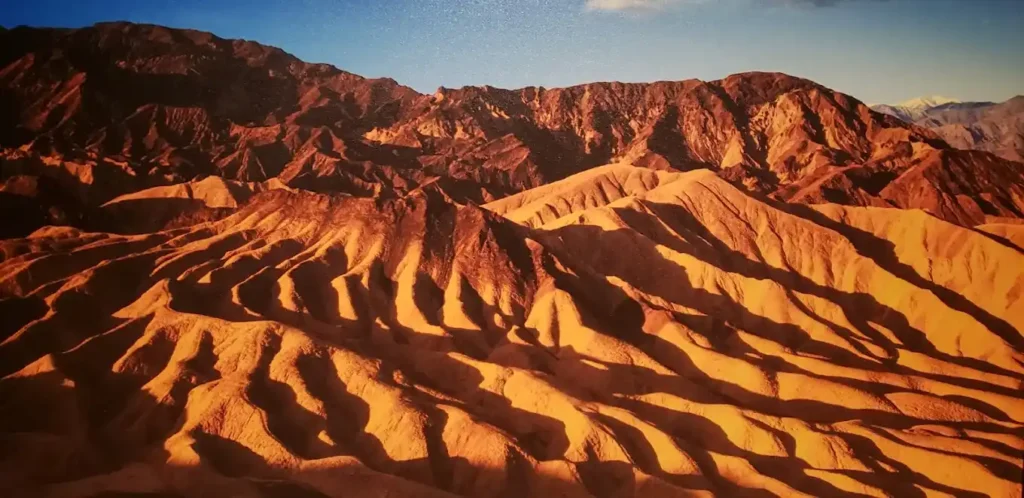
The Fire Wave is a rippled sandstone formation near the White Domes parking area — layers of red, pink, and white that genuinely look like frozen ocean waves. The walk is about 1.5 miles round-trip, mostly flat, and manageable for most fitness levels. It’s one of the most photographed geological features in Nevada for good reason.
Get there early. By 10 AM on weekends, there’s a real crowd waiting for the same shot.
White Domes Loop Trail — 1.1 Miles
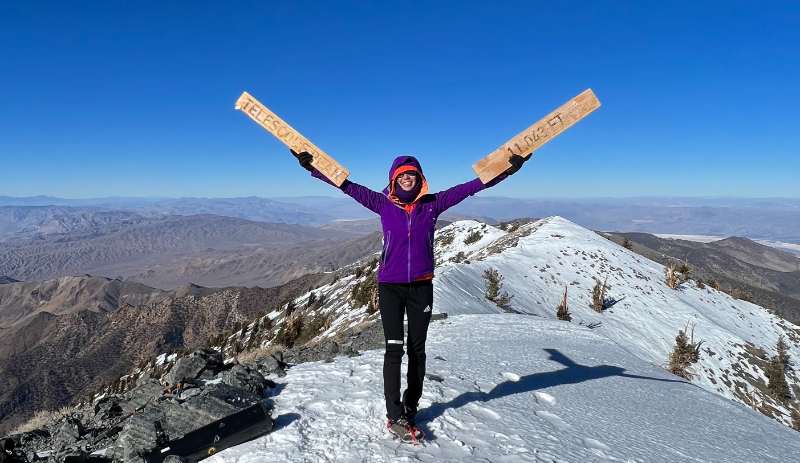
Short, scenic, and varied enough to hold your attention the whole way. The trail passes through a narrow slot canyon — tight enough that a large backpack scrapes both walls — and winds past dramatic formations and the remnants of an old movie set. This is the trail to recommend to someone who isn’t a hiker but wants a genuine experience rather than a windshield tour.
Elephant Rock
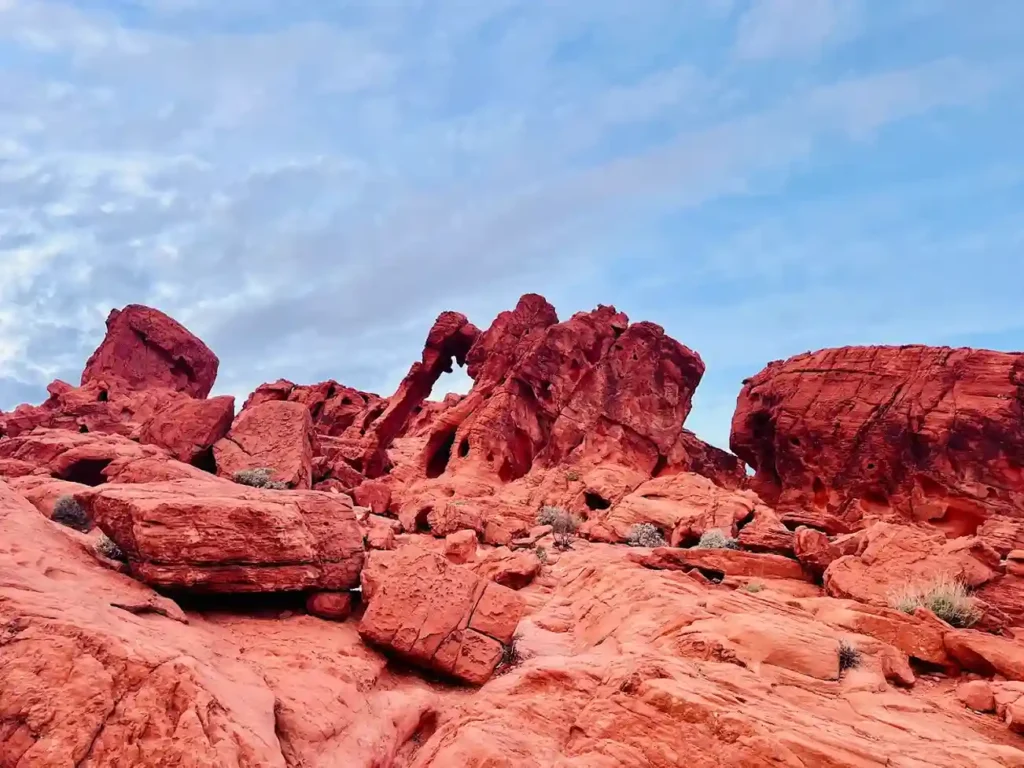
Right at the east entrance, a two-minute walk from the parking lot. The resemblance to an actual elephant — trunk, body, the whole silhouette — is almost comically accurate. It’s a five-minute stop, a great photo, and a perfect warm-up before heading deeper into the park. Kids love it.
Atlatl Rock and the Petroglyphs
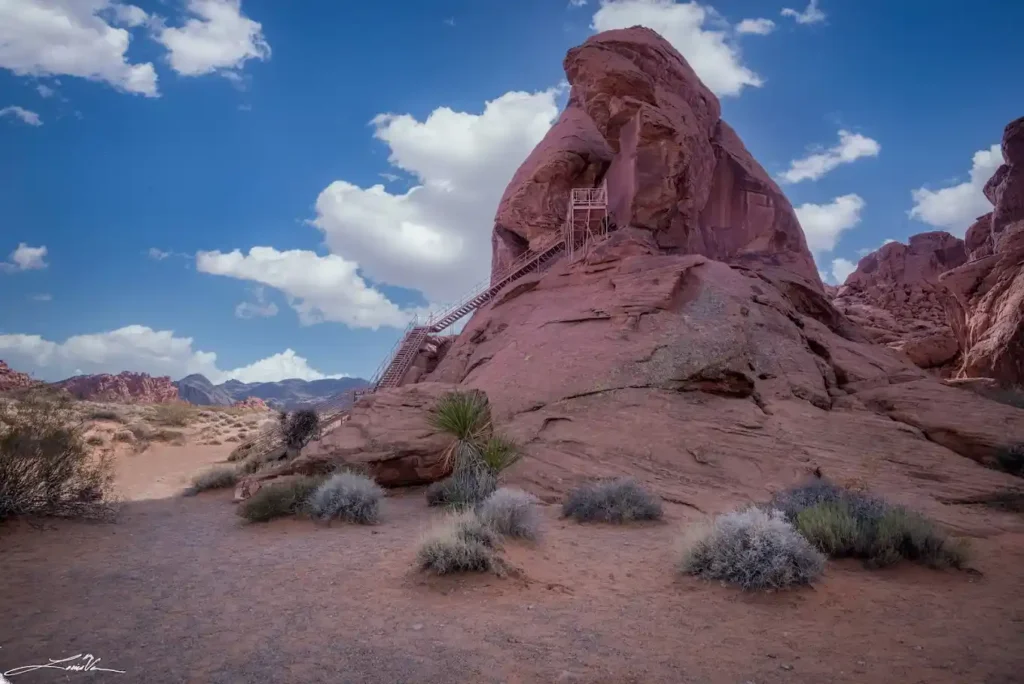
Most people drive past this one. That’s a mistake. A metal staircase climbs to a panel of petroglyphs carved by Ancestral Puebloans and Basketmaker people — some dating back over 3,000 years. The images include human figures, animals, and the atlatl itself, a spear-throwing tool that gives the rock its name.
Stand there for a few minutes and let it register. These were made by human hands long before the city an hour south of here existed. It lands differently once that sinks in.
Rainbow Vista — 1 Mile Round-Trip
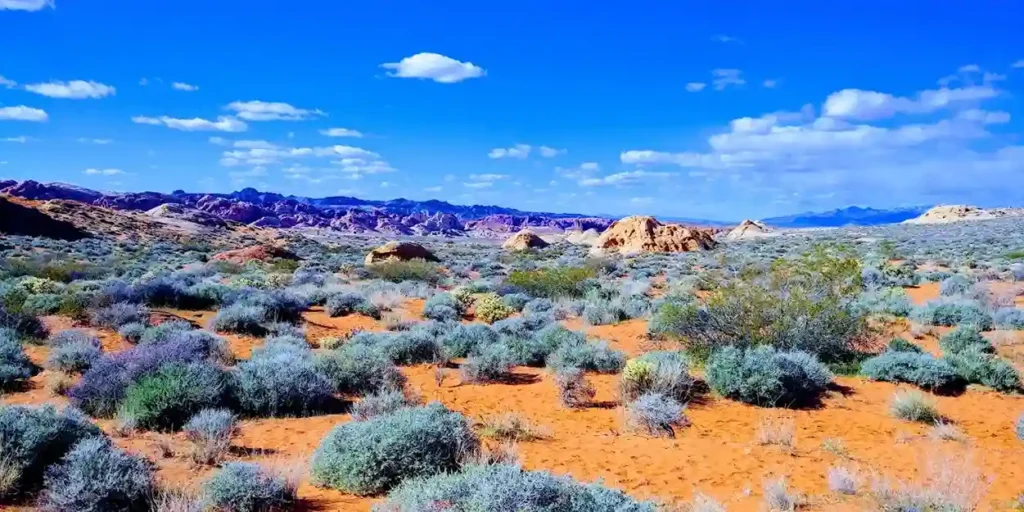
A quieter, less-visited trail that passes through a corridor of multicolored sandstone — deep red fading into lavender and cream depending on the light. Not as dramatic as the Fire Wave, but considerably less crowded and genuinely beautiful in the right morning light.
The Heat at Valley of Fire: Take It Seriously
Summer here isn’t just hot. It’s dangerous.
Between June and September, temperatures regularly hit 110°F to 115°F. The sandstone absorbs heat all day and radiates it back at ground level. Shade is nearly nonexistent. Nevada State Park rangers conduct multiple rescues annually from visitors who arrived underprepared — shorts, one water bottle, midday arrival.
If you visit between late May and early October:
- Hike only before 8 AM or after 5 PM
- Carry a minimum of 3 liters of water per person
- Bring electrolytes, not just water
- Wear a hat with real brim coverage
The best window is November through March. Mild temperatures, long golden-hour light, noticeably fewer people. March and April add occasional wildflowers to the desert floor — one of the better versions of this landscape you’ll find anywhere.
What to Bring to Valley of Fire
There are no food vendors inside the park. The visitor center gift shop sells drinks, but the stock varies. Plan as if you’re fully self-sufficient.
- Water: 2–3 liters per person minimum. More in warm months.
- Sunscreen: SPF 50+, reapplied every 90 minutes — the desert reflects UV hard.
- Snacks: High-calorie, portable. Trail mix, bars, fruit.
- Entry fee: $15 per vehicle (out-of-state). Cash or card accepted.
- Closed-toe shoes: Rocky, uneven terrain throughout. No sandals.
- Offline maps: Download AllTrails before you leave the hotel.
- Fully charged phone: For photos and emergency contact.
- Light jacket: Morning desert temps can surprise you even in mild months.
Can You Combine Valley of Fire with Other Stops?
Yes, and some of the best Las Vegas day-trip itineraries build around exactly this.
- Valley of Fire + Lake Mead: Highway 169 runs right along Lake Mead — the largest reservoir in the United States by surface area. Pull over at the overlooks. Blue water against red desert, in the right light, is a genuinely striking contrast. Boulder Beach has picnic tables if you want to break up the drive.
- Valley of Fire + Hoover Dam: Leave Las Vegas early, stop at Hoover Dam (~30 miles from the Strip on US-93), continue to Valley of Fire, and you’re back for dinner. It’s a full day — but a satisfying one.
- Valley of Fire + Overton: The small town of Overton sits a few miles north of the park entrance. The Lost City Museum covers the ancestral Puebloans who lived in this region and gives the Atlatl Rock petroglyphs real historical context. Worth 45 minutes if you’re interested in the people behind what you saw on the trail.
Camping at Valley of Fire State Park
Most people visit the Valley of Fire as a day trip from Las Vegas — that makes sense. But the park has two campgrounds: Atlatl Rock Campground and Arch Rock Campground, both with basic amenities and fire rings.
Camping here puts you under a night sky that looks nothing like what you see from the Strip. The red formations under moonlight are a completely different experience from the daytime version. If you have a spare night and any inclination toward sleeping outdoors, it’s worth the small detour in your plans.
Sites fill up fast during the October–April season. Reserve through the Nevada State Parks system at ReserveAmerica before your trip.
Things Nobody Tells You Before You Visit
The visitor center is actually worth your time. Valley of Fire’s center has solid geology exhibits, a helpful relief map of the entire park, and rangers who’ll give you trail recommendations based on your time, fitness level, and what’s looking good that day. Give it 15 minutes before you head out.
Weekday vs. weekend is a genuine difference. On a Saturday in March, the Fire Wave trail has a steady crowd by mid-morning. On a Tuesday, you might stand there alone for 20 minutes. Midweek visits are noticeably better if your schedule allows it.
The park looks completely different at different times of day. Midday light flattens everything. The same formations that look ordinary at noon look extraordinary at 7 AM or 5 PM — the red deepens dramatically in low-angle light. Early morning and late afternoon aren’t just preferable. They’re functionally a different park.
Make the Drive to Valley of Fire
Pack the car the night before. Set your alarm early. Drive northeast on I-15 and watch the desert open up around you.
Valley of Fire State Park is the kind of place that leaves a lasting impression long after you leave. Not in a sentimental way — in a “I cannot believe this existed an hour from where I was eating a buffet breakfast” way. That feeling, that specific version of awe, is what most Las Vegas visitors fly home without ever experiencing.
The drive is an hour. The memory lasts considerably longer.
FAQ: Valley of Fire State Park
How far is the Valley of Fire from Las Vegas?
About 50 miles northeast of the Strip — roughly 55 to 60 minutes by car via I-15 north to Highway 169 east. No tolls, no complicated navigation.
Do I need a reservation to visit Valley of Fire?
No reservation is required for day visits. Pay the $15 vehicle fee at the entrance gate. Campsites are different — those require advance booking through ReserveAmerica and fill up quickly in good-weather months.
Is the Valley of Fire worth visiting from Las Vegas?
Unequivocally yes. It’s among the most visually striking landscapes in the American Southwest, and it’s an hour from your hotel. The only people who regret the trip are those who go in peak summer heat without enough water.
What’s the difference between Valley of Fire and Red Rock Canyon?
Both are excellent. Red Rock Canyon is closer (30 minutes), more accessible, and better suited for hiking. Valley of Fire is farther, wilder, and more visually intense — the red is deeper, the formations more dramatic, the overall feel more remote. If you can do both, do both. If you have to choose, Red Rock for hiking, Valley of Fire for pure scenery.
Is Valley of Fire suitable for kids?
Yes, with the right preparation. Elephant Rock is a five-minute walk from the parking lot. The White Domes Loop holds a kid’s attention from start to finish. The petroglyphs at Atlatl Rock genuinely fascinate curious children. Keep them hydrated, protected from the sun, and off exposed rock in midday heat.
Keep Reading:
- Red Rock Canyon Las Vegas: Must-See Views & Hikes, Travel Tips
- Hoover Dam Tour Guide: Best Views, Tickets & Tips
- Shark Reef Aquarium at Mandalay Bay Las Vegas: Tickets, Sharks & Tips
- Titanic: The Artifact Exhibition Las Vegas — Is It Worth It? (Honest Review)
- Bellagio Conservatory & Botanical Gardens: What to See
- OMNIA Nightclub Guide: DJs, Dress Code & Entry Tips
- Eiffel Tower Experience Guide: Prices, Hours & Hacks