Key Highlights:
- Best Weather: April, May, October and November generally offer comfortable conditions for hiking and scenic drives.
- Summer Heat: June through August can bring temperatures above 100°F (38°C), making early-morning visits the safest option.
- Winter Weather: December through February can be cold in the mornings, with temperatures sometimes dropping into the 30s.
- Elevation: Red Rock Canyon sits at a higher elevation than the Las Vegas Strip, so temperatures can be cooler, especially in the morning and evening.
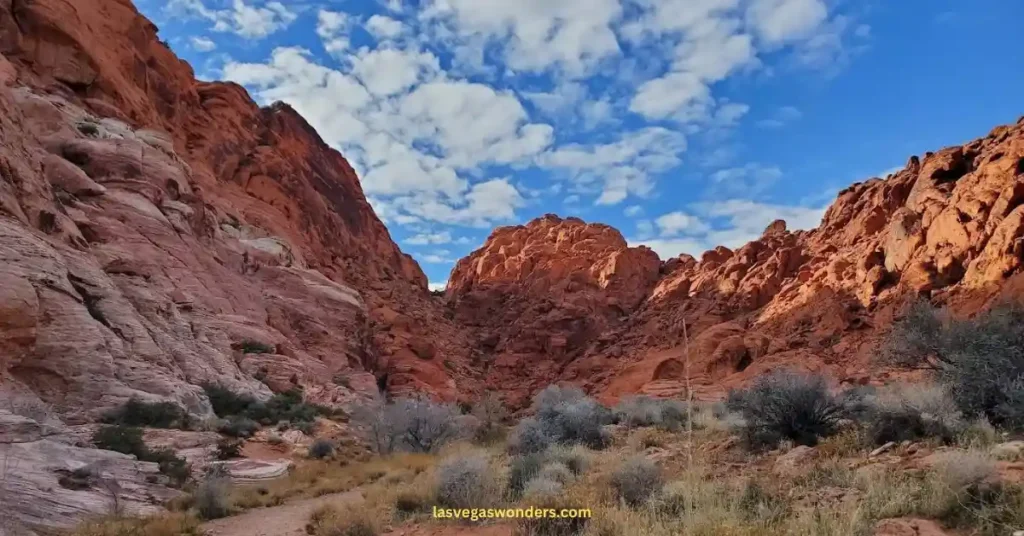
Red Rock Canyon National Conservation Area is about 30 minutes west of the Las Vegas Strip, but its weather can feel noticeably different from the city. The higher elevation, exposed terrain and desert climate create large temperature swings throughout the year.
Knowing the seasonal conditions is especially important if you plan to hike. A comfortable morning in spring can become warm by afternoon, while summer temperatures can become dangerous within a short time. Winter brings cooler mornings and occasional snow on the higher peaks.
Here is what to expect from Red Rock Canyon weather throughout the year, including monthly temperatures, what to pack and important safety tips.
Red Rock Canyon Monthly Temperature Guide
| Month | Avg. High | Avg. Low | Typical Conditions |
|---|---|---|---|
| January | 57°F | 38°F | Cool mornings, mild afternoons |
| February | 61°F | 41°F | Cool and breezy |
| March | 69°F | 47°F | Mild spring weather |
| April | 76°F | 52°F | Comfortable for hiking |
| May | 86°F | 61°F | Warm; start early |
| June | 97°F | 70°F | Very hot |
| July | 103°F | 77°F | Extreme summer heat |
| August | 101°F | 75°F | Very hot; storms possible |
| September | 94°F | 67°F | Warm, gradually cooling |
| October | 80°F | 55°F | Mild fall weather |
| November | 66°F | 44°F | Cool and comfortable |
| December | 56°F | 38°F | Cold mornings |
These figures are general averages, not a forecast. Actual conditions can vary during heat waves, cold fronts and storms.
Spring: March Through May
Spring is one of the most comfortable periods for hiking and exploring Red Rock Canyon. Temperatures generally rise from the upper 60s in March to the 80s by May.
March can still have cool mornings, while April typically offers a good balance of mild temperatures and longer daylight hours. By May, afternoon heat becomes more noticeable, so starting hikes earlier is a good idea.
Pack layers for spring. A light jacket or fleece can be useful in the morning, while sunscreen, a hat and plenty of water become increasingly important as temperatures rise.
Summer: June Through August
Summer is the most challenging season for outdoor activities at Red Rock Canyon. Daytime temperatures can exceed 100°F, particularly in July and August, and exposed trails provide limited shade.
If you visit during summer, start as early as possible and avoid strenuous hiking during the hottest part of the day. Carry plenty of water and check the forecast before leaving.
Summer can also bring thunderstorms associated with the North American monsoon. Heavy rain can create flash-flood hazards in washes and narrow canyon areas, so never enter a canyon when storms or flood warnings are present.
Fall: September Through November
Fall brings gradually cooler temperatures after the summer heat. September can still be quite hot, but October and November are generally much more comfortable for hiking.
October is a particularly practical month for outdoor activities, with cooler mornings and moderate afternoon temperatures. By November, temperatures drop further, so bring a jacket for early starts.
Layering works well during fall because temperatures can change significantly between morning and afternoon.
Winter: December Through February
Winter at Red Rock Canyon can be surprisingly cold, particularly early in the morning. Daytime temperatures are often comfortable for hiking, but overnight and morning temperatures can fall into the 30s.
Snow occasionally falls on the higher elevations, creating a different look across the sandstone peaks. Strong winds can also make conditions feel colder than the actual temperature.
For winter hikes, wear layers, long pants and a warm jacket. If you are starting early or finishing near sunset, a hat and gloves can also be useful.
Red Rock Canyon Weather Safety Tips
Check the forecast specifically for Red Rock Canyon before leaving Las Vegas. Conditions can differ from the Strip, particularly at higher elevations.
During hot weather, hike early, carry sufficient water, use sunscreen and wear sun-protective clothing. Watch for signs of heat illness, including dizziness, headache, weakness and nausea. If you begin feeling unwell, stop and get to a cooler location rather than continuing.
Thunderstorms require extra caution. Never enter a canyon or wash when heavy rain or flash-flood warnings are present.
Cell service can also be limited in parts of the conservation area, so download maps and important information before heading out.
For current weather alerts, check the National Weather Service. For trail closures, safety notices and park information, check the official Bureau of Land Management Red Rock Canyon page.
FAQs
Does Red Rock Canyon get snow?
Yes. Snow occasionally falls during winter, particularly on the higher mountain elevations.
Is Red Rock Canyon colder than Las Vegas?
It can be, particularly during mornings, evenings and winter. The difference varies depending on the weather and exact location.
Is it safe to hike at Red Rock Canyon in summer?
Extreme heat can make hiking dangerous. If you visit during summer, start early, carry plenty of water and avoid strenuous activity during the hottest hours.
Are there water stations at Red Rock Canyon?
Do not rely on water being available along trails or the Scenic Drive. Bring enough water for your planned activity and check current park information for available facilities.
What should I wear to Red Rock Canyon?
Dress according to the season, but comfortable hiking shoes, sun protection and layers are useful throughout the year.
Can I bring my dog?
Check current BLM rules before visiting. Never leave a pet inside a parked vehicle, even for a short time, because desert temperatures can rise to dangerous levels very quickly.
More: