
Key Highlights:
- What it is: Sandwiched between your ID and credit card, you offer a tip while asking the front desk agent if any “complimentary upgrades” are available.
- Does it work? Yes, but inflation has hit the front desk. $20 still works at budget spots, but $50 is the new standard for luxury resorts.
- The Success Rate: You are most likely to succeed on weekdays when the hotel isn’t at 100% capacity.
- Pro Tip: If they can’t upgrade you, the agent will almost always hand the money back. It is a “no-risk” move for the traveler.
If you have ever stood in a check-in line at a massive Strip resort and watched someone slide a folded bill across the counter with their ID, you’ve seen the “sandwich” in action. It is the most famous unwritten rule in the city—a low-stakes gamble that could turn a standard view of a parking garage into a front-row seat for the Bellagio Fountains.
We have tried this move at almost every major desk in town, from the ultra-luxury counters at Wynn to the classic floors of the Flamingo. Some call it a bribe, but in this city, it is really just a “hospitality tip” that opens doors. Here is our honest, friend-to-friend guide on how to pull off the maneuver and whether that single green bill still carries any weight in a world of digital check-ins and automated upgrades.
What Exactly is the $20 Trick at Las Vegas Hotels?
The trick is a polite, non-verbal way to ask for a room upgrade by offering a tip to the front desk agent at the start of your check-in process.
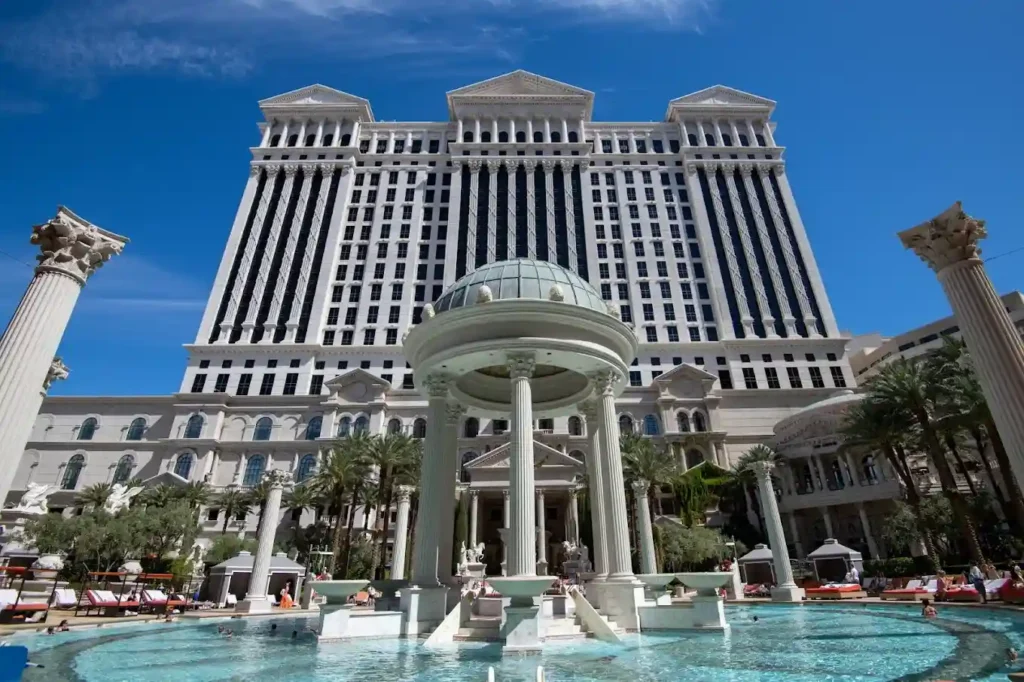
Direct Answer: The $20 trick in Las Vegas involves placing a folded bill between your driver’s license and credit card when checking into a hotel. As you hand over your documents, you ask the agent if there are any “complimentary upgrades” available. If they find a better room, they keep the tip; if not, they typically return the money.
Our Honest Take: It isn’t a bribe in the traditional sense; it’s an incentive for the agent to take the extra 30 seconds to hunt for a “hidden” room in the system. We suggest being as friendly as possible. If you are rude or acting entitled, the agent will likely say “we are full” and slide your money back before even hitting a key.
Does the $20 Trick Still Work?
The short answer is yes, but the “sweet spot” has shifted. While $20 used to be the gold standard, the value of the “sandwich” now depends entirely on the property’s star rating.
The “Price Tiers” for Upgrades
- The $20 Standard: Still works great at mid-tier spots like The Flamingo, Horseshoe, or Luxor. These hotels have thousands of rooms and plenty of “High Floor” or “Strip View” options they can swap you into.
- The $50 Upgrade: If you are checking into Bellagio, Caesars Palace, or Aria, a $20 bill might feel a bit light. A $50 bill is more likely to score you a fountain view or a petite suite.
- The $100 Long-Shot: At ultra-high-end resorts like Wynn, Encore, or Fontainebleau, agents see $20 all day. To get a significant jump in room class here, a $100 “sandwich” is often required.
How to Successfully Perform the “Sandwich”
Timing and phrasing are everything. You don’t want to make it feel like a shady deal; you want it to feel like a “thank you” for their expertise.
Direct Answer: To perform the trick, fold the bill and place it between your ID and credit card. As you hand them over, smile and say: “By any chance, do you have any complimentary upgrades available? I’d love a Strip view or a late checkout if possible.” Being specific helps the agent know exactly what to look for.
What Can You Actually Get?
Don’t expect to go from a “Standard King” to the “Presidential Suite” for twenty bucks. However, you can often score:
- A Strip View: Swapping a view of the mountains for a view of the lights.
- A Higher Floor: Getting away from the noise of the street or the pool.
- Late Checkout: Getting an extra 2–3 hours on your final day (usually a $50+ value).
- Resort Fee Credits: If the hotel is truly full, agents might offer “Dining Credit” vouchers or waive a day of resort fees ($45–$55) as a consolation.
The Best Resorts for a Successful Upgrade
Not every hotel is created equal. Some resorts have strict computer systems that prevent agents from moving people around freely.
- High Success Rate: MGM Grand, Planet Hollywood, and Luxor. These resorts are massive and often have “buffer” rooms held back for VIPs that they can release to you.
- Moderate Success Rate: The Cosmopolitan. Because this hotel is so popular, they are often truly at 100% capacity on weekends, making upgrades harder to find.
- Low Success Rate: Wynn and Encore. Their staff is trained to sell upgrades at full price, and their system is much tighter.
Mini Summary & Final Helpful Tip
The $20 trick is a classic piece of Las Vegas culture that still lives. It is a low-risk way to add a bit of luxury to your vacation, provided you are polite and realistic about what a single bill can buy.
Our Final Helpful Tip: If you are celebrating something, an anniversary, a birthday, or a first trip, tell them. We have found that combining the “sandwich” with a genuine reason for the trip is the “magic formula” for the best suites. Agents love being the “hero” of someone’s special occasion!
❓ FAQ: The Las Vegas $20 Trick
Is the $20 trick illegal?
No. In the hospitality world, it is considered a tip for “above and beyond” service. The worst that happens is they say “no” and return the money.
What about digital kiosks?
This is the biggest reason to avoid the kiosks. You cannot tip a machine, and the machine will only assign you the exact room class you paid for.
What if they keep the money but don’t upgrade me?
This is rare, but if it happens and you only got the room you paid for, it is perfectly okay to politely ask: “Since the upgrade wasn’t available, could I have the bill back for my dinner later?”
Keep Reading:
- What Is An RFB Comp In Las Vegas: The Ultimate Casino Freebie
- What Is Free Play in Las Vegas Casinos? Real Money Guide
- What Is a Comp in Las Vegas? Free Rooms, Food & Shows
- What Is a Las Vegas Players Card? Rewards & Perks Guide
- How Much Do Drinks Cost In Las Vegas Clubs?
- How Much Money to Bring to Las Vegas: Real Budget Breakdown